


Blog
Sagging or creaking? Signs it’s time to replace your mattress

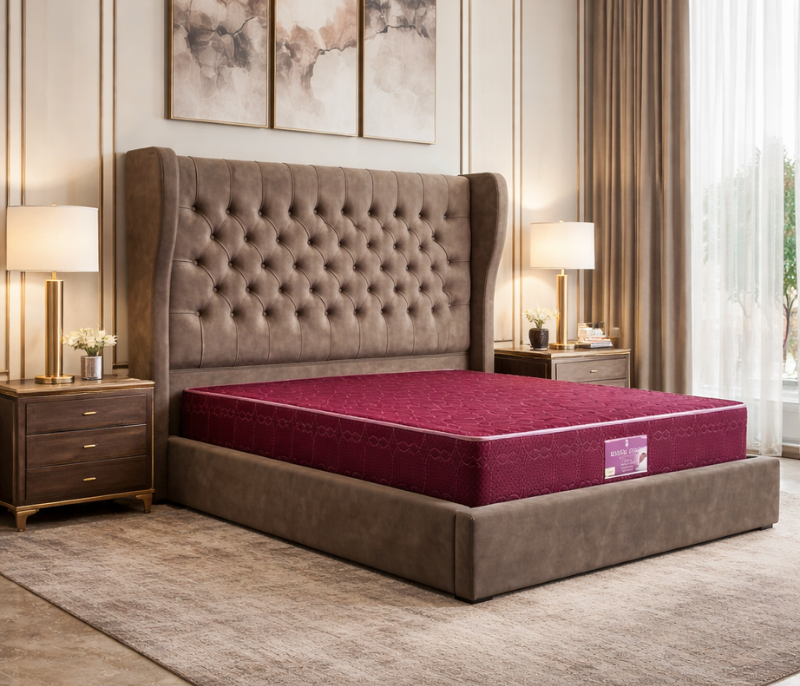
There is no fixed expiry date for a mattress. How long it lasts depends on its materials, how it is used and how it is cared for. These are the signs that it is time to look for a new one.
Seven signs your mattress needs replacing
- Sagging or deep dips where you usually lie, or you roll towards the middle of the bed.
- Lumps or uneven areas you can feel through the sheet.
- Waking stiff or sore, with the aches easing during the day.
- Sleeping better elsewhere, for example in a hotel or a guest bed.
- Creaks and squeaks when you move, or springs you can feel.
- Weak edges that collapse when you sit on the side of the bed.
- More sneezing or stuffiness in bed than elsewhere, which can be a sign of dust and dust mites building up.
Make your mattress last longer
- Use a mattress protector to keep out sweat, spills and dust, and wash it regularly.
- Rotate the mattress head to foot every few months so it wears evenly (check whether your mattress is one-sided before flipping it).
- Give it a firm, even base. A bed frame with sagging or widely spaced slats lets the mattress bend.
- Let it breathe. In humid weather, air the room and strip the bed now and then so moisture does not build up.
- Don’t stand or jump on it, and avoid sitting on the same edge every day.
Choosing the replacement
Use what you have learned from your old mattress: did it feel too hard, too soft or too hot? Was it the right size for your frame? Our guide on choosing a mattress for the way you sleep walks you through the decision.
Want help choosing?
Tell us how you sleep and your bed size, and a Royal Foam advisor will suggest a mattress. You can also try our mattresses at the Kumasi showroom.


